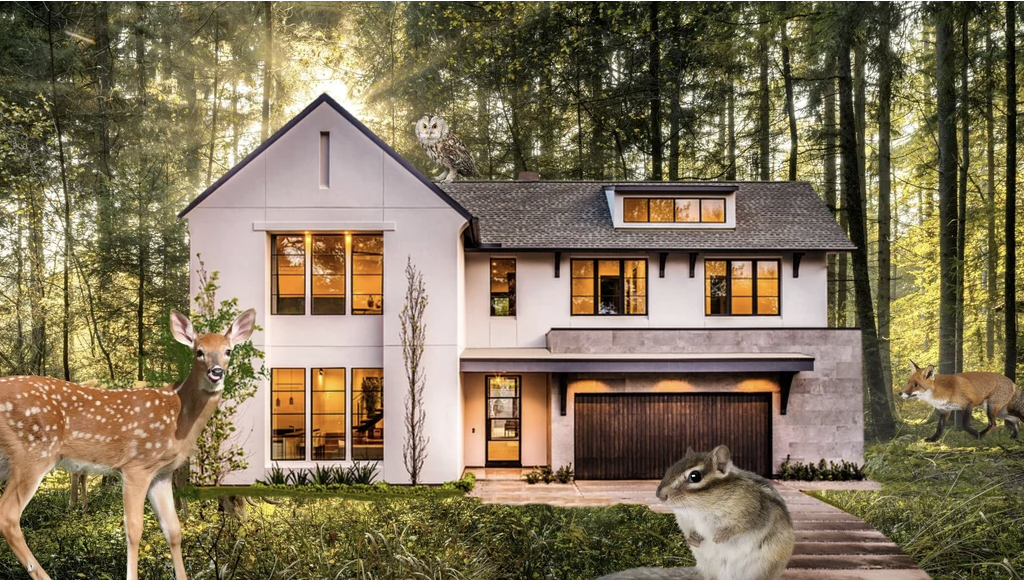
Why the future of wildlife conservation might be in your backyard
The Hustle argues that the future of wildlife conservation may lie in suburban backyards, noting that suburban growth has erased more than 24 million acres of natural habitat since 2001 and put roughly 40% of American plants, animals and ecosystems at risk, while nearly 80% of U.S. land and 85% of land east of the Mississippi is privately owned. The piece centers on Homegrown National Park, the marketing concept co-founded by Doug Tallamy that aims to restore 20 million acres of habitat through sustainable landscaping and native planting on private property and tracks contributions on an interactive biodiversity map, quoting Tallamy by way of Fast Company that "you can't say we're not going to do conservation where we develop, because that's everywhere." Sunbridge, the 27,000-acre residential mega-development near Orlando, is identified as HNP's first dedicated community, with 13,000 acres of natural habitat, more than 30,000 homes priced around $300,000 to $600,000 planned over roughly three decades, and a few neighborhoods, walking trails and a school already built about 15 minutes from the airport. Residents will get digital water dashboards plus lawn care and conservation resources, and the article frames the payoff as native plants that need less water and fertilizer, translating into fewer chemicals, lower utility bills and a healthier environment for kids and pets, with advocates arguing rewilding at this scale can help slow the global biodiversity crisis.
